
How the AWS European Summits Put Accessibility First
Accessibility has become one of the most talked about topics in the events industry, yet it's still too often viewed as a final consideration rather than a fundamental part of event design. Once the venue is booked, the speakers confirmed and the production signed off, organisers often begin asking how they can make the event more accessible. The better question is “Why accessibility wasn't part of those conversations from the very beginning?”
Today's delegates are more diverse than ever before. They arrive with different needs, expectations and ways of engaging with content. Some may have hearing impairments. Others may be neurodivergent or simply find busy event environments overwhelming. Some may not speak English as their first language and require language interpretation. Designing an event that works for everyone is not about adding specialist solutions for a handful of attendees. Instead, it is about creating an experience where every delegate has the opportunity to engage confidently from the moment they arrive.
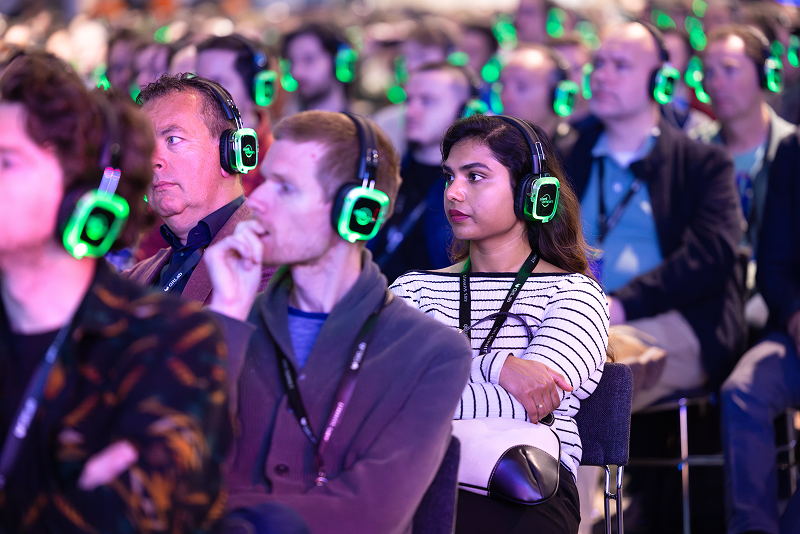
The AWS European Summits demonstrated exactly what happens when accessibility is considered from the outset. Across four European cities, Silent Seminars partnered with AWS to deliver wireless audio technology across 77 stages, deploying more than 24,000 wireless headsets to support hundreds of keynote sessions, presentations and live discussions.
At first glance, the headsets might appear to simply improve audio quality. In reality, they transformed how delegates experienced the event. In environments where thousands of people move between exhibition spaces, networking areas, and conference sessions throughout the day, clear communication becomes essential. Rather than competing with background noise, delegates received crystal clear audio directly through their headset, allowing them to focus entirely on the speaker while remaining immersed in the atmosphere of the event.
Perhaps most importantly, the technology placed control in the hands of every attendee. Each delegate could adjust their own listening volume, creating an experience tailored to their individual needs. For those with hearing impairments, this provided greater clarity and confidence throughout every session. For neurodivergent attendees, who may find busy conference environments overstimulating, the ability to filter out competing sounds and focus solely on the speaker helped reduce sensory overload, making educational content more comfortable and accessible to engage with.
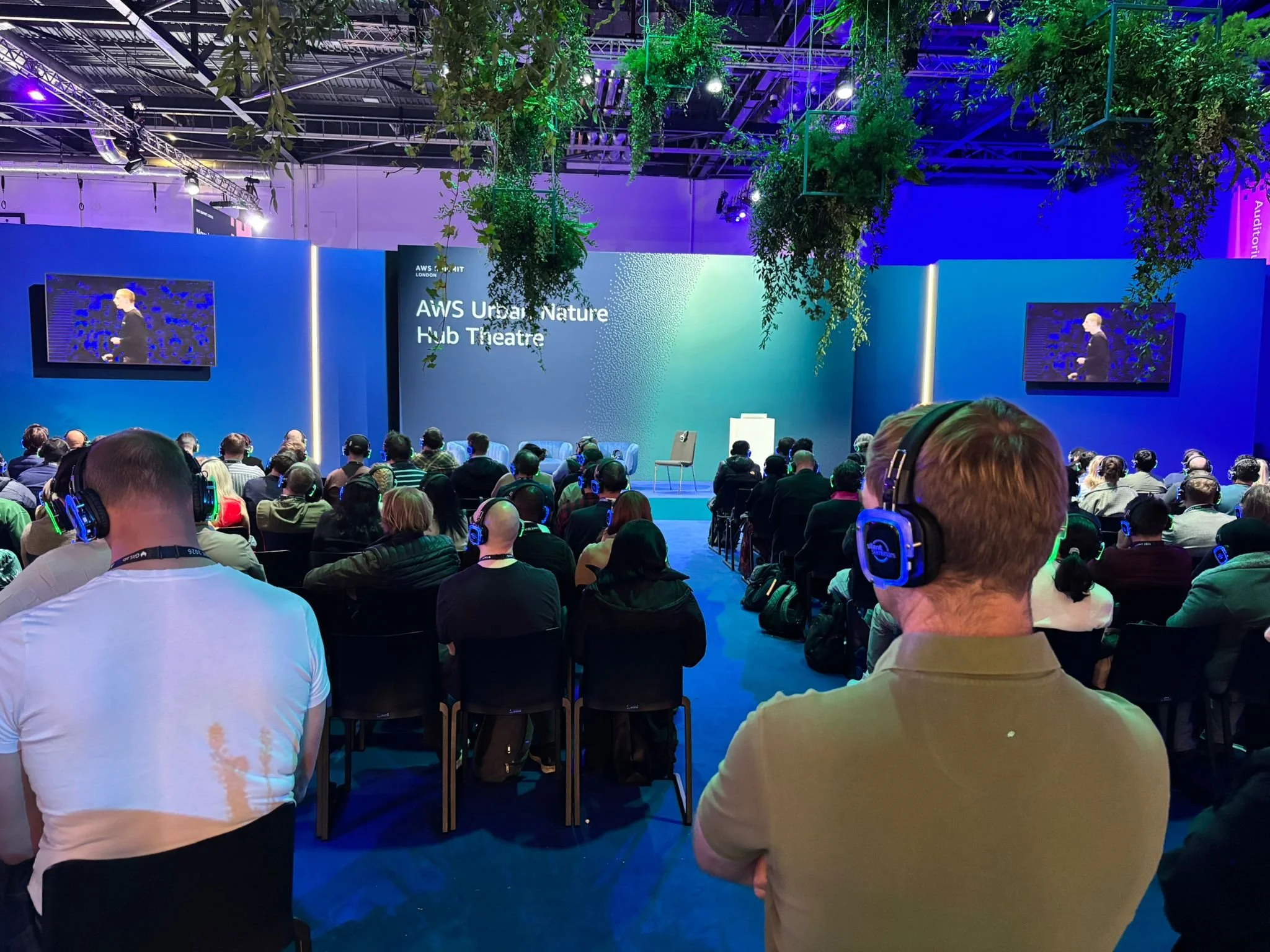
This simple level of personal control is one of the reasons wireless audio has become such an important accessibility tool at live events. As Orla Pearson, Director of both AccessLOOP and MyClearText explains, "There are so many different people in every room and the Silent Seminar headsets allow people to take in sound as they wish, and for me they are a huge accessibility aid." Rather than expecting delegates to adapt to the environment around them, the technology allows the experience to adapt to each individual.
The outcome is an accessibility solution that benefits far more than the people it was originally designed to support. Delegates remain engaged for longer, speakers know their message is being heard clearly and organisers can create open, vibrant event spaces without compromising the quality of the learning experience. Accessibility becomes something that enhances the experience for everyone, rather than a feature reserved for a small number of attendees.
The AWS European Summits demonstrated that accessibility is not an additional layer added once an event has been designed. It is a fundamental part of creating exceptional events where every delegate can participate with confidence. As expectations continue to evolve, the most successful events will not simply accommodate different audiences. They will be designed around them from the very beginning.