
Exhibitions have to make every square metre count. With speakers, seminars, demonstrations and networking all happening across the same floor, creating an engaging programme means thinking carefully about how each part of the event works alongside the others.
Audio plays an important role in making this possible. When sessions can run simultaneously without competing sound, organisers have greater freedom to plan their floor space, offer more content and give visitors more opportunities to learn from the people and businesses exhibiting.
At Silent Seminars, we work with exhibition organisers to make these possibilities a reality through wireless audio technology designed for busy, multi stage environments.
More Content Without Compromising the Experience
One of the biggest opportunities wireless audio creates is the ability to run multiple presentations in the same exhibition space without sound from neighbouring stages interfering with the session.
Traditional loudspeaker systems can make this difficult, particularly when several theatres sit close together. Wireless headsets offer another approach, delivering audio directly to each listener and allowing different sessions to operate alongside one another.
For organisers, this can mean greater flexibility when planning their floorplan, more opportunities to accommodate speakers and exhibitors, and a programme that makes better use of the available space.
Visitors benefit too. Rather than competing with conversations or presentations happening nearby, they can tune into the session they want to hear and focus on the content that matters to them.
Putting It Into Practice at Confex and the Event Production Show
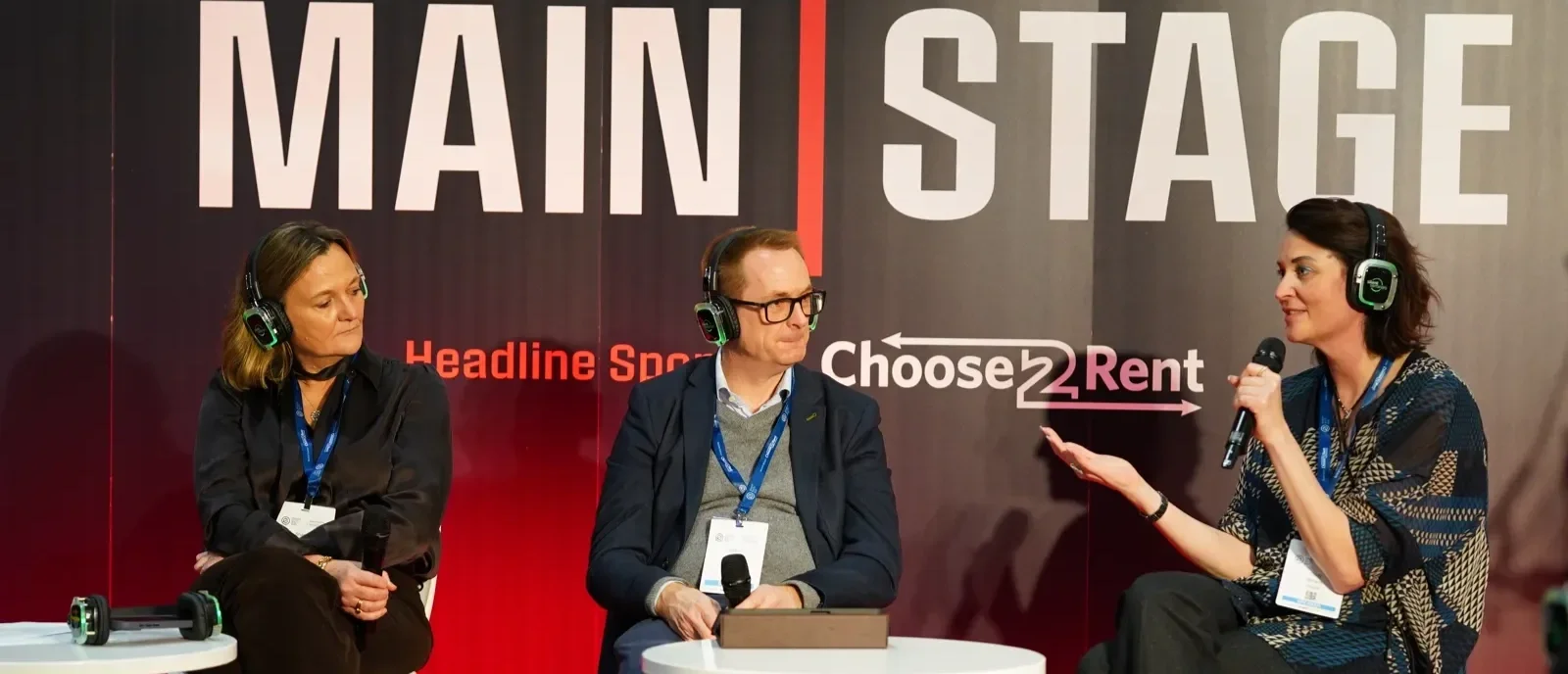
International Confex and the Event Production Show provide a practical example of what this approach can achieve.
At the 2026 events, held at ExCeL London on 26 and 27 February, Silent Seminars provided wireless headsets across 16 theatres spanning both exhibition halls.
The programme brought together talks, panels and workshops within a busy exhibition environment, creating a clear need for audio that could support simultaneous sessions without sound clashes.
Wireless technology allowed the theatres to operate alongside one another, helping the organisers accommodate their educational programme while making effective use of the available exhibition space.
For visitors, the experience was straightforward. They could collect a headset, tune into their chosen session and move between presentations throughout the day.
The project also reflects the value of building lasting relationships with event organisers. Having supported International Confex over a number of years, Silent Seminars brings an understanding of the practical demands of exhibition delivery, alongside the technical expertise needed to support a complex programme.
Creating More Inclusive Listening Experiences
Getting audio right is not only about managing sound between stages. It is also about helping more people access and enjoy the content being delivered.
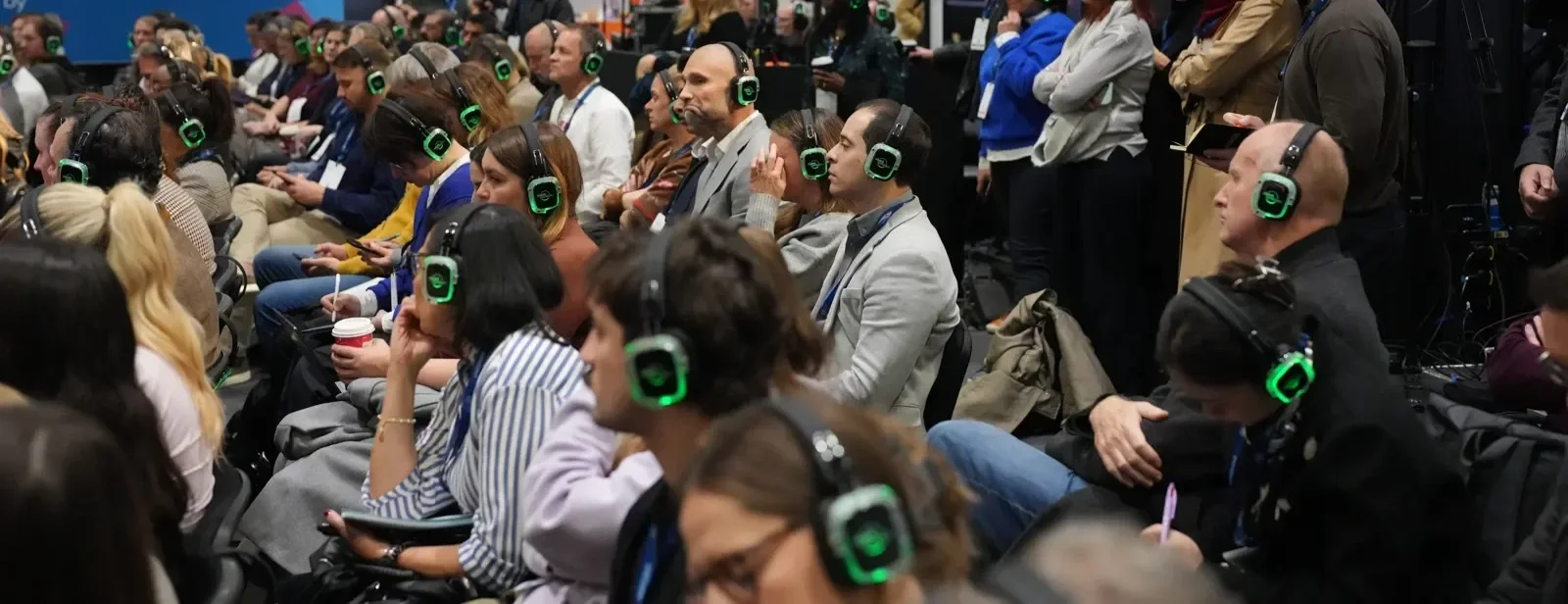
Busy exhibition halls can be challenging listening environments, with background conversations, demonstrations and general activity competing for attention. Wireless headsets deliver audio directly to delegates, while individual volume control gives listeners greater choice over their experience.
For some people with hearing difficulties or sensory sensitivities, this can make presentations more comfortable to follow. Delegates can adjust the volume to suit their preferences, while the direct audio feed helps reduce the impact of surrounding noise.
Multilingual audio can also help international audiences engage with event content in their preferred language, supporting more inclusive opportunities to learn, participate and exchange ideas.
These considerations do not need to sit separately from the main production plan. They can form part of the decisions made when organisers consider how their stages, sessions and audiences will work together.
Making Better Use of the Exhibition Space
Wireless audio can also influence how an exhibition is planned and experienced.
When stages do not need to rely on amplified sound in the same way, organisers gain more flexibility over where sessions take place. Depending on the venue and event requirements, this can help accommodate additional content, bring educational sessions closer to exhibitors or make better use of areas that might otherwise be difficult to programme.
The benefits extend beyond the event itself. A well considered audio setup helps speakers deliver their content clearly, gives visitors more choice over what they attend and allows organisers to build a varied programme without audio becoming a limiting factor.
Every exhibition has different requirements, from the number of stages and the size of the venue to the needs of its audience. The right solution starts with understanding those requirements and finding an approach that supports the wider objectives of the event.
Planning Audio Around Your Event
Successful exhibition audio begins with the programme, the venue and the people attending. Understanding how many sessions need to run simultaneously, where stages will be positioned and what delegates need from the experience helps determine the most suitable approach.
Silent Seminars works with exhibition organisers, agencies and production teams to develop wireless audio solutions for multi stage events, conferences and exhibitions. From individual theatres to large scale programmes spanning multiple halls, our focus is on helping organisers deliver clear audio while making the most of their available space.
The aim is simple: give organisers more flexibility, help audiences get more from the programme and make audio an asset to the overall event experience.
Planning an exhibition with multiple stages or simultaneous sessions? Speak to the Silent Seminars team about how wireless audio could work for your event.
Explore our wireless conference headsets or get in touch to discuss your requirements.